

Septic Tank Pumping in Reno, NV
If you need septic tank pumping in Reno, NV, Rooter Man Plumbing can help keep your septic system operating properly and reduce the risk of backups, odors and expensive septic system problems. Regular septic tank pumping removes accumulated sludge and scum before they can interfere with your tank or drain field.
How often should a septic tank be pumped? Most residential septic tanks should generally be pumped every 3 to 5 years, although the right schedule depends on the size of your tank, the number of people in the household, water usage, garbage disposal use and how quickly solids accumulate. A septic professional can inspect the system and recommend a schedule based on your property’s actual condition.
What are the signs that your septic tank is full or needs pumping? Common warning signs include slow drains throughout the house, gurgling toilets or pipes, sewage odors, unusually wet or lush areas around the drain field, standing water and wastewater backing up into sinks, showers or toilets. If you are experiencing a sewage backup, don’t wait for a routine appointment, contact a septic professional as soon as possible.
How much does septic tank pumping cost? The cost varies depending on tank size, accessibility, the amount of buildup, location and whether additional septic work is needed. The best way to get an accurate price is to have the tank and access requirements evaluated before service.
If you’re looking for septic tank pumping in Reno, Rooter Man Plumbing provides septic pumping and cleaning services for local property owners. Contact our team to schedule service or learn more about maintaining your septic system.
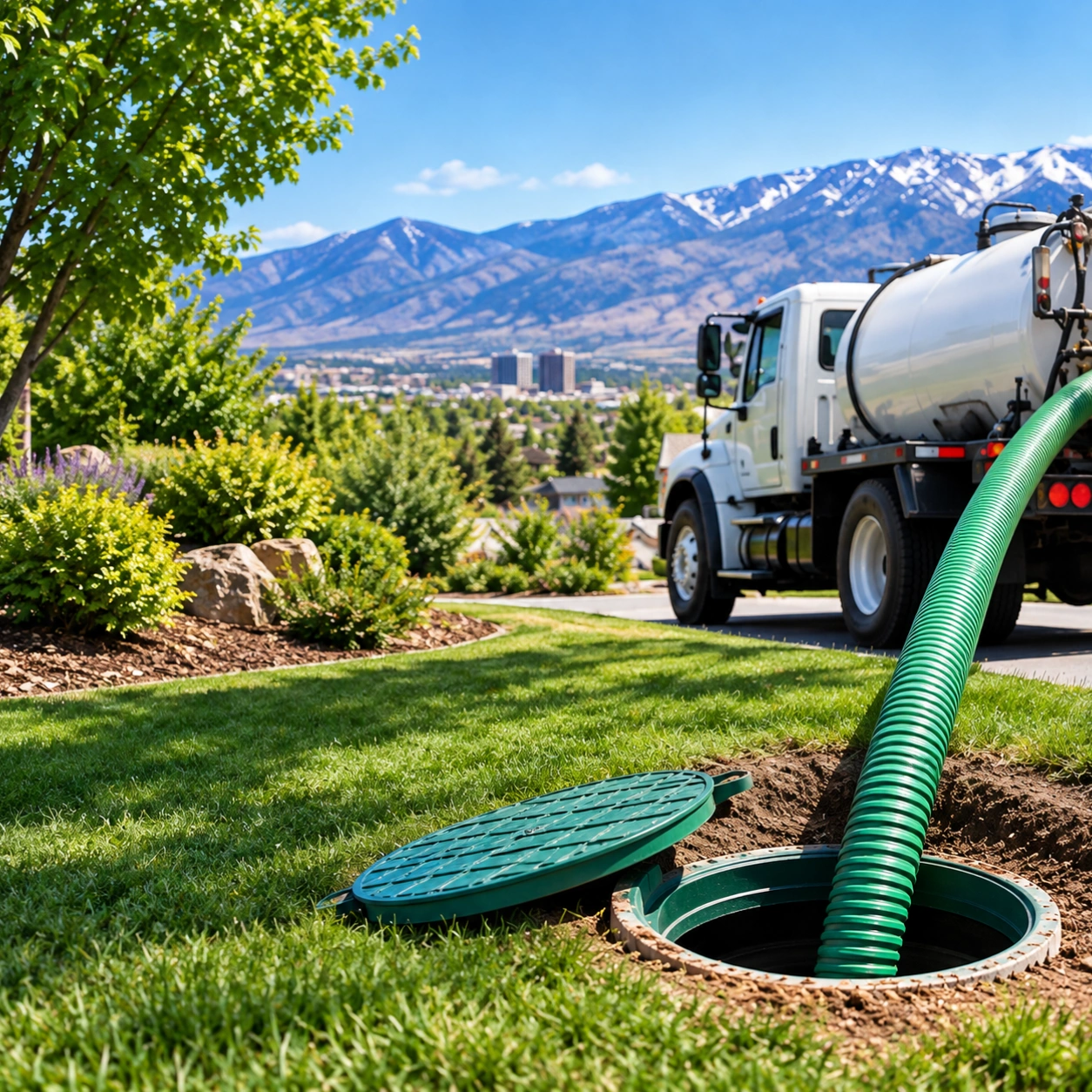
Septic Tank Pumping in Reno: What Does It Involve?
A septic tank receives wastewater from toilets, sinks, showers, appliances and other plumbing fixtures. Inside the tank, heavier solids settle to the bottom as sludge while lighter materials form a scum layer at the top. The liquid wastewater in the middle portion of the tank flows toward the drain field.
Over time, sludge and scum accumulate. They do not simply disappear, and beneficial bacteria cannot break down all of the solids that enter the tank. Septic tank pumping removes accumulated waste from the tank so the system can continue operating as designed.
Routine pumping is one of the most important parts of septic system maintenance. Waiting until wastewater backs up into the house can turn a routine maintenance appointment into a much more serious septic repair problem.
How Often Should a Septic Tank Be Pumped?
For many residential septic systems, every 3 to 5 years is a reasonable general guideline. However, there is no universal pumping schedule that works for every property.
Your ideal pumping frequency can depend on:
- Septic tank size
- Number of people living in the home
- Amount of wastewater your household produces
- Frequency of laundry and other high-water-use activities
- Garbage disposal use
- Amount of solids entering the system
- Age and design of the septic system
- Previous inspection and pumping results
The U.S. Environmental Protection Agency recommends having a septic system inspected approximately every 1 to 3 years and pumping the tank approximately every 3 to 5 years, depending on the system and the amount of solids that accumulate.
If you don’t know when your septic tank was last pumped, it’s worth having the system evaluated rather than waiting for a backup.
What Are the Signs That Your Septic Tank Is Full?
A septic tank is not necessarily a problem simply because it contains wastewater. A properly functioning septic tank normally contains liquid. The concern is excessive accumulation of sludge and scum or a system that is no longer moving wastewater properly.
Watch for these warning signs:
1. Slow Drains Throughout the House
One slow sink drain may simply indicate a plumbing clog. But if multiple sinks, showers and toilets are draining slowly at the same time, your septic system may be struggling to accept or move wastewater.
2. Gurgling Toilets or Drains
Gurgling sounds after flushing a toilet or running water can indicate that air and wastewater are having difficulty moving through the plumbing and septic system.
3. Sewage Odors
A persistent sewage smell inside the home, around the septic tank or near the drain field can indicate a septic problem. Odors can have several causes, so an inspection may be needed to determine the source.
4. Sewage or Water Backing Up
Wastewater backing up into a bathtub, shower, sink or toilet is one of the more serious warning signs. If sewage is entering your home, reduce water use and arrange for professional septic service promptly.
5. Wet or Soggy Areas in the Yard
Unexpectedly wet or spongy soil near the septic tank or drain field can indicate that wastewater is not being properly absorbed.
6. Unusually Green or Fast-Growing Grass
A noticeably greener area over the drain field can sometimes indicate wastewater surfacing below the soil. It should not be treated as a sign that the septic system is healthy.
7. A High-Level Septic Alarm
Some septic systems have alarms that alert the homeowner when wastewater levels become too high. If your system has an alarm, don’t ignore it.
What Is the Worst Thing for a Septic Tank?
There isn’t one single substance that is universally “the worst” for every septic system. However, excess grease and oil, non-biodegradable items, excessive water use and large amounts of harsh chemicals can all cause problems.
Avoid putting these items into your septic system:
- Cooking grease and oils
- Paper towels
- Baby wipes and “flushable” wipes
- Diapers
- Feminine hygiene products
- Cotton swabs and similar products
- Dental floss
- Cat litter
- Paint and solvents
- Motor oil and other automotive fluids
- Pesticides and other harsh chemicals
Only flush human waste and toilet paper.
Grease and oil can accumulate in the tank and contribute to clogged plumbing and septic system problems. Wipes and other products that don’t break down readily can add solids and create blockages.
It’s also important to avoid sending excessive amounts of water into the system at once. Spread laundry throughout the week, repair leaking fixtures and avoid unnecessarily long periods of high water usage.
Septic Tank Pumping vs. Septic Tank Cleaning: What’s the Difference?
The terms septic tank pumping and septic tank cleaning are sometimes used interchangeably, but they can refer to different levels of service.
Septic tank pumping generally means removing the accumulated liquid, sludge and scum from the tank using professional pumping equipment.
Septic tank cleaning may involve more thorough removal of material from the tank and additional attention to components or buildup, depending on the condition of the system and the service being performed.
Not every septic tank requires the same level of cleaning every time it is serviced. A regularly maintained system may primarily need routine pumping, while an overdue or heavily impacted system may require more extensive cleaning or evaluation.
If you aren’t sure whether you need septic pumping, septic cleaning or a broader septic inspection, a professional can help determine the appropriate service.
How Much Does Septic Tank Pumping Cost in Reno?
The average cost of septic tank pumping in Reno varies based on the tank and the property.
Factors that can affect the price include:
- Tank capacity
- Number of tanks or compartments
- How accessible the tank is
- Whether the tank lid is buried
- Amount of sludge and scum buildup
- Condition of the tank
- Distance the pumping equipment must travel
- Whether additional inspection, cleaning or repairs are needed
Rather than choosing a septic company based only on a low advertised price, ask what is included in the quote. Tank access, pumping, disposal and additional work may be priced differently depending on the property.
How Long Does Septic Tank Pumping Take?
The actual pumping portion of a routine residential septic service can vary.
Tank size, accessibility, sludge buildup and whether the tank needs to be located or uncovered can all affect the total service time.
A tank with an easily accessible riser may be serviced much faster than a tank whose access lid is buried beneath soil or landscaping.
What Happens During Septic Tank Pumping?
A typical septic tank pumping appointment may involve several steps:
- Locate and access the septic tank.
- Open the appropriate access point.
- Evaluate the tank and accumulated solids.
- Remove wastewater, sludge and scum with professional pumping equipment.
- Check accessible components for obvious signs of damage or problems.
- Close the tank and clean up the work area.
- Discuss any maintenance or repair recommendations.
If the system has signs of a larger problem, pumping alone may not resolve the underlying issue. Problems involving the drain field, pipes, baffles, tank structure or other components may require additional evaluation.
Why Regular Septic Tank Pumping Matters
Regular pumping helps prevent excessive solids from accumulating in the tank and potentially moving toward the drain field.
Neglected septic systems can develop:
- Sewage backups
- Foul odors
- Drainage problems
- Drain field problems
- Plumbing issues
- Environmental contamination
- More expensive repairs
Routine septic maintenance is generally far less disruptive than dealing with an unexpected septic backup or failed drain field.
How to Take Care of Your Septic System Between Pumpings
You can help extend the time between service appointments by using your septic system properly.
Use Water Efficiently
Spread laundry and other high-volume water use throughout the week instead of sending large amounts of water into the septic system at once.
Fix Plumbing Leaks
A leaking toilet or faucet may seem minor, but continuously sending water into a septic system adds unnecessary hydraulic load.
Be Careful What You Flush
The toilet should generally be limited to human waste and toilet paper. Don’t flush wipes, paper towels, feminine hygiene products, diapers or other household items.
Keep Grease Out of the Drain
Don’t pour cooking grease or oil down the kitchen sink. Allow it to cool and dispose of it appropriately instead.
Protect the Drain Field
Avoid driving, parking heavy vehicles or placing structures over the drain field unless the system was specifically designed to accommodate that use.
Keep Records
Record the date of each inspection and pumping service. Knowing when your tank was last serviced makes it much easier to establish a maintenance schedule.
Do I Need Septic Pumping If My System Seems Fine?
Yes, regular maintenance is still important even when there are no obvious warning signs.
A septic tank can accumulate sludge for years before you experience a major backup. Waiting until wastewater enters the home means the system has already developed a significant problem.
Preventive septic pumping allows you to maintain the system before an emergency occurs.
Can a Septic Tank Be Too Full?
A septic tank normally contains wastewater, so “full” does not simply mean that the tank contains liquid.
The concern is when accumulated sludge and scum take up too much of the tank’s usable capacity or when the system can no longer properly move wastewater through the tank and drain field.
If the tank is overdue for pumping and you are experiencing slow drains, odors, standing water or backups, schedule professional service rather than trying to determine the tank level yourself.
Can You Pump a Septic Tank Yourself?
Professional septic pumping is generally the safer and more practical option because it requires specialized pumping equipment, proper waste handling and disposal.
Septic tanks can also contain hazardous gases and wastewater pathogens. Homeowners should not enter a septic tank under any circumstances.
If your tank needs to be pumped, use a qualified septic service professional who can safely remove and properly handle the waste.
What Should I Do If My Septic Tank Is Backing Up?
If wastewater is backing up into your home:
- Stop or significantly reduce water use.
- Do not flush toilets unnecessarily.
- Keep people and pets away from sewage.
- Avoid contact with wastewater.
- Contact a septic professional as soon as possible.
A backup can be caused by a full tank, a blockage, a drain field problem, a failed component or another septic system issue. Pumping may be necessary, but the underlying cause should also be evaluated if the problem persists.
Septic Tank Pumping in Reno, NV
If your septic tank is due for routine maintenance or you’re noticing signs of a septic problem, Rooter Man Plumbing can help.
We provide septic tank pumping and cleaning in Reno, NV, along with other septic services for local property owners. Whether you’re scheduling preventative maintenance or dealing with slow drains, odors or a backup, our team can help determine the appropriate next step.
Don’t wait for a septic problem to become a sewage emergency. Contact Rooter Man Plumbing to schedule septic tank pumping in Reno.
Frequently Asked Questions About Septic Tank Pumping
How do I know when my septic tank was last pumped?
Check your home maintenance records, septic service receipts or property records. If you cannot determine when the tank was last pumped, a septic professional can inspect the system and help establish a maintenance schedule.
Does a septic tank need to be pumped if the drains are working normally?
Yes. A septic tank can accumulate solids without producing obvious symptoms. Routine pumping is preventative maintenance and should not be delayed until you experience a backup.
Why does my septic tank smell?
Septic odors can have several causes, including problems with the tank or drain field, plumbing or roof vents, or other system conditions. Persistent sewage odors should be evaluated by a septic professional.
Can I use a garbage disposal with a septic system?
Garbage disposal use can increase the amount of solids entering a septic tank and may increase pumping frequency. If you have a septic system, use a garbage disposal sparingly and follow the recommendations for your particular system.
Are flushable wipes safe for septic tanks?
“Flushable” does not necessarily mean septic-safe. Many wipes do not break down as readily as toilet paper and can contribute to clogs or additional solids. The safest practice is to keep wipes out of the toilet.
What should I never flush into a septic tank?
Avoid flushing wipes, paper towels, feminine hygiene products, diapers, cotton products, dental floss, cat litter and other non-biodegradable materials. Only flush human waste and toilet paper.
How long can a septic tank go without being pumped?
There is no safe universal maximum. The EPA generally recommends pumping every 3 to 5 years, with the actual interval depending on the system and solids accumulation. Waiting significantly longer can increase the risk of septic problems.
Does pumping a septic tank fix a septic system?
Not always. Pumping removes accumulated waste, but it does not automatically repair damaged tanks, blocked pipes, failed pumps or drain field problems. If symptoms continue after pumping, the septic system may need additional evaluation.
Can heavy rain affect a septic system?
Heavy rainfall can contribute to drainage problems when the soil around the drain field becomes saturated. If you notice standing water, sewage odors or wastewater surfacing around your drain field, have the system evaluated.
Where can I get septic tank pumping in Reno?
Rooter Man Plumbing provides septic tank pumping and cleaning services in Reno and surrounding Northern Nevada communities. Contact the team to discuss your septic system and schedule service.
Our Services
Other Services We Provide




Great work and Rory Harms was very professional. Thanks a ton! I recommend Rooter Man Plumbing to anyone in the area looking to hire a local plumber. We came across Rooter Man when searching a nearby plumber on Google. They were quick and affordable. We will use them again if we need a plumbing repair.
Excellent experience with Rooter Man. They took great care of my leaky pipes. Called them Sunday night about the issue. They gave me great advice to keep the issue as minimal as possible until they could make it out. Rory showed up Monday and took care of everything quickly. He did an excellent job! Highly recommend!
Great work and Rory Harms was very professional. Thanks a ton! I recommend Rooter Man Plumbing to anyone in the area looking to hire a local plumber. We came across Rooter Man when searching a nearby plumber on Google. They were quick and affordable. We will use them again if we need a plumbing repair.